
Land Scams in Nigeria and How to Protect Yourself
If you've ever wanted to buy land in Nigeria, chances are someone has warned you to "be careful." And honestly, they're not wrong. Land scams are everywhere and they've cost a lot of Nigerians their hard-earned money.
The sad part is, most people who get scammed didn't see it coming. The deal looked real. The documents looked genuine. The person seemed trustworthy. And then everything fell apart.
So how do you protect yourself? Let's talk about it.
The most common land scams in Nigeria
Before you can protect yourself, you need to know what you're up against. Here are the scams that happen the most:
1. Selling land that doesn't belong to them: Someone shows you a piece of land, collects your money, and disappears. The real owner shows up later and you're left with nothing.
2. Fake documents: The seller presents a Certificate of Occupancy, a survey plan, or a Deed of Assignment but the documents are forged. You only find out after you've paid.
3. Selling the same land to multiple people: One plot, three buyers. This happens more often than you think, especially in fast-developing areas.
4. Government acquisition land: The land has already been taken over by the government, but the seller doesn't tell you. You buy it, and then you can't build on it.
If a deal sounds too good to be true like land in a prime location at a suspiciously low price then it probably is.
Red flags to watch out for
These are signs that something might not be right:
The seller is rushing you to pay quickly. They're not willing to let you verify the documents. The price is way below market value. There's no proper paperwork or they keep delaying when you ask for it. You can't physically visit the land or they give excuses when you try to.
Any one of these should slow you down. Two or more and you should walk away.
How to protect yourself
Always verify the documents: Don't just look at the papers, actually verify them. A Certificate of Occupancy can be confirmed at the state land registry. A survey plan can be verified with the state surveyor general's office. Take the time to do this.
Do a land search: Before you pay a kobo, go to the land registry and do a proper search on the land. This will tell you who legally owns it and if there are any issues attached to it.
Use a lawyer: Get a property lawyer involved before you sign anything. Yes, it costs money. But it costs a lot less than losing your entire investment to a scammer.
Visit the land yourself: Go and see the land with your own eyes. Talk to people in the area. Find out who claims to own it. Don't rely only on what the seller tells you.
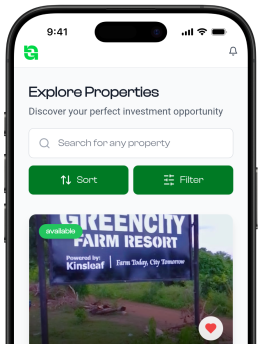
Only buy from verified sources: This is the safest option of all. Platforms like Grundpay work only with verified developers and realtors. Every property listed comes with proper documentation so you know exactly what you're buying before you commit.
On Grundpay, every listing includes verified documents like a Certificate of Occupancy, Deed of Assignment, or Land Survey so you can buy with confidence.
What to do if you've already been scammed
If it's already happened to you, don't keep quiet. Report it to the Police, the Economic and Financial Crimes Commission (EFCC), or the Consumer Protection Council. Document everything, messages, receipts, documents and get a lawyer involved immediately.
It won't always end perfectly, but reporting helps prevent the same person from doing it to someone else.
The bottom line
Buying land in Nigeria is one of the smartest things you can do but only if you do it the right way. Don't let the fear of scams stop you from investing. Let it make you more careful instead.
Take your time. Verify everything. Use trusted platforms. And when in doubt, ask questions.
Want to buy land without the stress?
Visit www.grundpay.com to browse verified properties with proper documentation.